
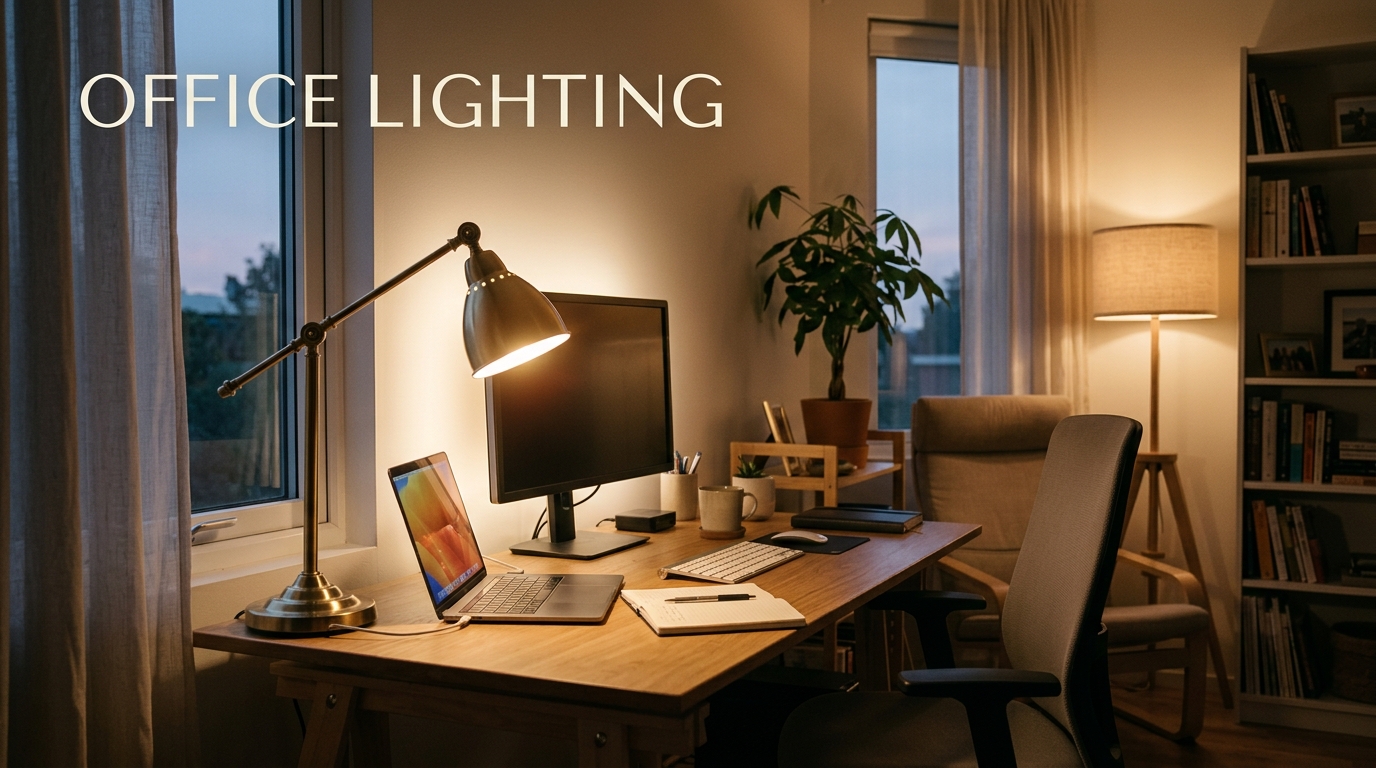
Struggling to stay productive in your home office? It might not be your workload that’s the problem – it could be your lighting! The right lighting can make a world of difference in creating a workspace that is both functional and inviting. Whether you’re working late nights or early mornings, having proper lighting can reduce eye strain, boost your mood, and increase your overall productivity. In this blog post, we’ll explore some tips and tricks on how to improve your home office lighting so you can create a workspace that works as hard as you do. Let’s shed some light on how to brighten up your home office!
Types of Lighting for Your Home Office
Task Lighting: Task lighting is essential for illuminating specific work areas in your home office, such as your desk or reading nook. This type of lighting helps reduce eye strain and increases focus and productivity. Consider adjustable desk lamps or under-cabinet lighting for targeted illumination.
Ambient Lighting: Ambient lighting provides overall illumination to create a comfortable working environment in your home office. This can include ceiling lights, wall sconces, or floor lamps that evenly distribute light throughout the space. Ambient lighting sets the mood and can enhance the aesthetics of your workspace.
Tips for Choosing the Right Light Fixtures
Consider Your Tasks: Identify the primary tasks you’ll be performing in your home office to determine the type and placement of light fixtures you need. For reading and computer work, task lighting is crucial, while ambient lighting is more suitable for general workspace illumination.
Layer Your Lighting: Create a well-lit and visually appealing home office by incorporating multiple layers of lighting. Combine task lighting, ambient lighting, and accent lighting to enhance functionality and aesthetics. Experiment with different fixtures to achieve the ideal balance of light sources in your workspace.
Types of Lighting for Your Home Office
Task Lighting: Task lighting is essential for focused activities like reading, writing, or working on a computer. This type of lighting provides direct and concentrated light to illuminate your workspace effectively. Desk lamps and under-cabinet lights are common examples of task lighting in a home office.
Ambient Lighting: Ambient lighting creates a comfortable overall illumination in the room. It helps reduce eye strain and sets the mood for a productive work environment. Ceiling lights, floor lamps, and wall sconces are popular choices for ambient lighting in a home office setting.
Tips for Choosing the Right Light Fixtures
When selecting light fixtures for your home office, consider the size of the room, the type of work you do, and your personal preferences. Opt for adjustable fixtures that allow you to control the direction and intensity of the light. Choose energy-efficient LED bulbs to save on electricity costs and reduce environmental impact. Additionally, mix different types of lighting to create a well-balanced and visually appealing workspace.
How to Adjust Lighting for Productivity
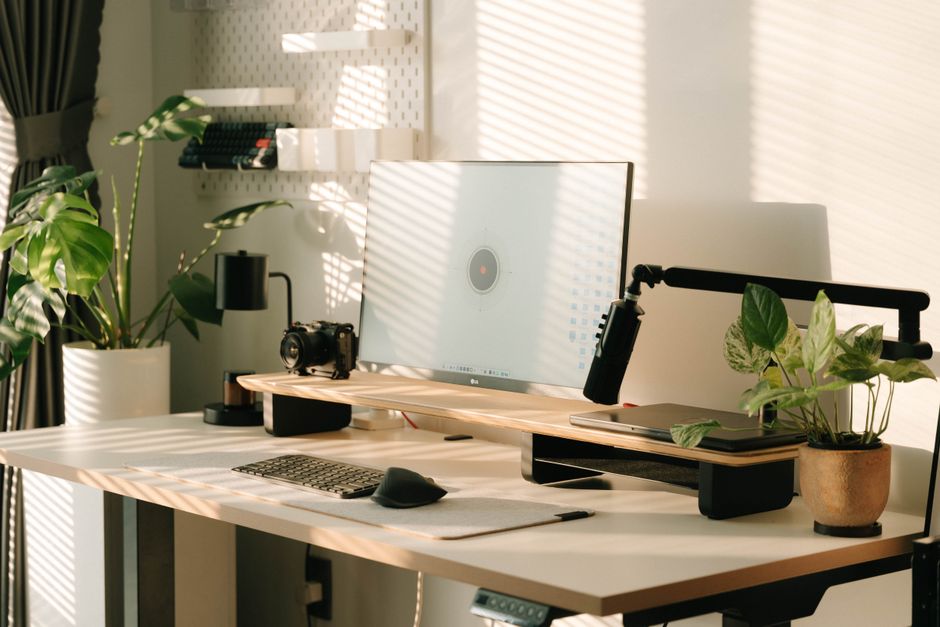
Proper lighting is crucial for maintaining productivity in a home office. Natural light is ideal, so position your desk near a window if possible. If natural light is limited, consider using a combination of overhead lighting, task lighting, and ambient lighting to create a well-lit workspace. Adjustable desk lamps are great for providing direct light where needed, while ambient lighting can help reduce eye strain and create a comfortable atmosphere.
Experiment with different lighting setups to find what works best for you. Dimmer switches are useful for controlling light intensity, allowing you to adjust the brightness based on the time of day or task at hand. Avoid harsh fluorescent lighting, as it can cause glare and discomfort. By optimizing your home office lighting, you can enhance focus, reduce fatigue, and boost overall productivity.
Energy-Efficient Lighting Options
Energy-efficient lighting is not only environmentally friendly but can also save you money on your electricity bill. LED bulbs are a popular choice for home offices due to their long lifespan and low energy consumption. They produce bright, focused light that is ideal for work tasks. Additionally, compact fluorescent lamps (CFLs) are another energy-efficient option that provides good quality light while using less electricity than traditional incandescent bulbs.
Consider installing smart lighting systems that allow you to control your lights remotely and adjust brightness levels. Motion sensor lights are another energy-saving option, automatically turning off when no movement is detected in the room. By choosing energy-efficient lighting options for your home office, you can create a sustainable and cost-effective workspace without compromising on light quality.
Energy-Efficient Lighting Options
Energy-efficient lighting is not only environmentally friendly but also cost-effective for your home office. LED lights are a popular choice for their energy efficiency and longevity. They consume less energy than traditional incandescent bulbs, resulting in lower electricity bills. Additionally, LED lights emit less heat, making them safer and more comfortable to work under for extended periods. Consider installing dimmable LED lights to adjust the brightness according to your needs, helping to create a productive work environment.
Another energy-efficient option is compact fluorescent lamps (CFLs), which also consume less energy and have a longer lifespan compared to incandescent bulbs. CFLs provide bright light and come in various color temperatures to suit different work preferences. When choosing energy-efficient lighting for your home office, look for the ENERGY STAR label to ensure you are selecting high-quality and efficient products that will enhance both your workspace and your energy savings.
Creative Lighting Ideas for Your Home Office
Lighting plays a crucial role in creating a productive and inspiring home office environment. Beyond the traditional desk lamp, there are various creative lighting ideas you can incorporate to enhance the ambiance and functionality of your workspace. Consider adding LED strip lights under shelves or cabinets to provide indirect lighting that reduces eye strain and adds a modern touch to your office. You can also install a statement pendant light above your desk to serve as a focal point and add a touch of style to the room.
Another creative option is to use adjustable track lighting to highlight specific areas of your workspace, such as a reading nook or a gallery wall. This allows you to customize the lighting based on your tasks and preferences. Additionally, integrating smart lighting systems that can be controlled remotely through your smartphone or voice commands can add convenience and flexibility to your home office setup, allowing you to easily adjust the lighting to suit different activities throughout the day.
Troubleshooting Common Home Office Lighting Issues
Dealing with common home office lighting issues is crucial to maintaining a productive work environment. One frequent problem is glare, which can cause eye strain and reduce productivity. To combat this, consider adjusting the positioning of your light sources or using anti-glare screens. Additionally, flickering lights can be distracting and uncomfortable. If you encounter this issue, check the bulbs and fixtures for any loose connections or replace them if necessary. Poor lighting levels can also impact your work efficiency. If your home office feels dim, try adding extra light sources or investing in brighter bulbs to create a well-lit workspace.