
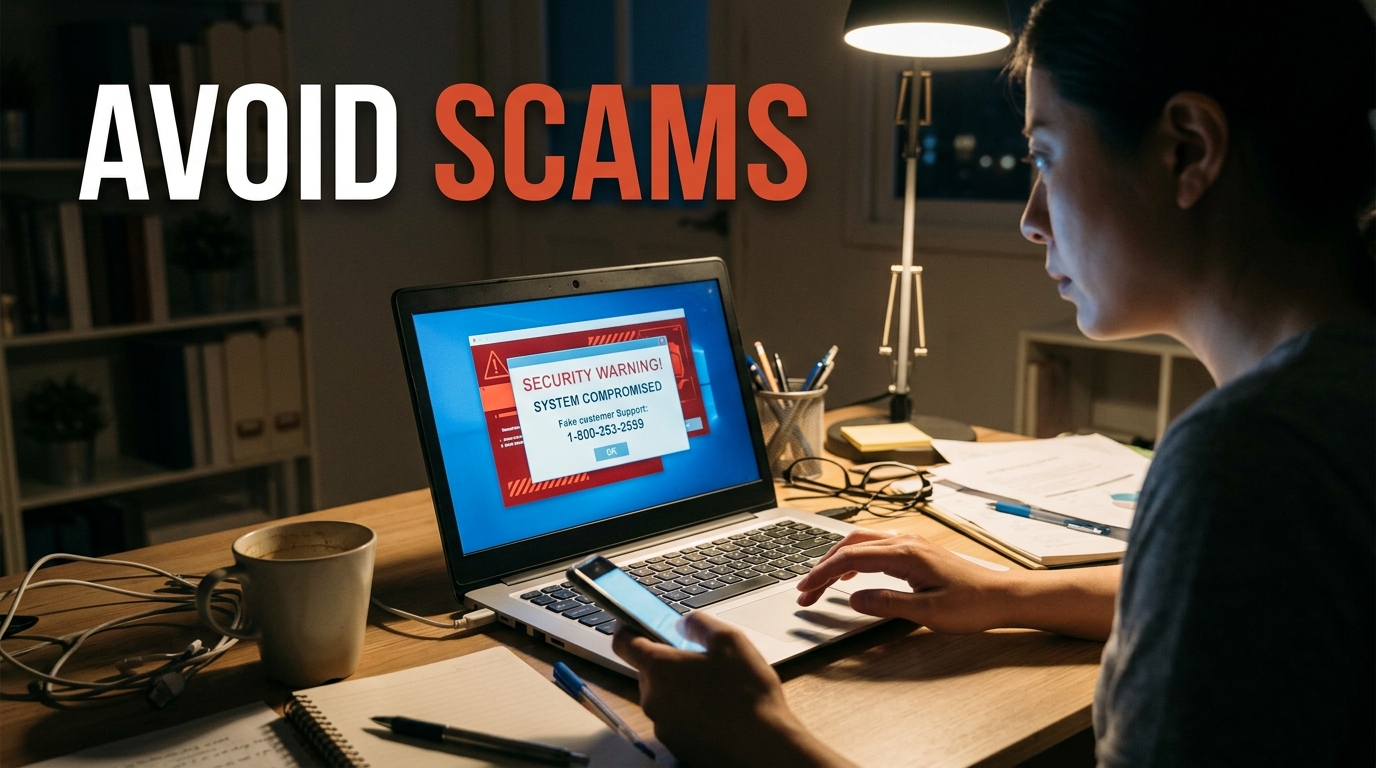
Have you ever received a suspicious email claiming you’ve won a lottery you never entered? Or maybe a pop-up on your computer warning you about a virus and offering a solution for a fee? Tech scams are becoming increasingly sophisticated, making it crucial for all of us to stay vigilant and protect ourselves. In this blog post, we’ll explore some common tech scams to watch out for and provide you with practical tips on how to avoid falling victim to these malicious schemes. By staying informed and learning how to spot red flags, you can protect yourself and your sensitive information from falling into the wrong hands.
Phishing Scams
Phishing scams are fraudulent attempts to obtain sensitive information, such as usernames, passwords, and credit card details, by disguising as a trustworthy entity in electronic communication. These scams often involve deceptive emails, messages, or websites that appear legitimate to trick individuals into revealing their confidential data. Cybercriminals use various techniques to create convincing phishing schemes, including spoofed email addresses, fake login pages, and urgent requests for personal information. It is crucial for individuals to be cautious and verify the authenticity of any communication before providing sensitive data to protect themselves from falling victim to phishing scams.
Tech Support Scams
Tech support scams involve fraudsters posing as legitimate technical support representatives to deceive individuals into believing their computer has issues that require immediate attention. These scammers typically use scare tactics, such as fake error messages or alarming pop-ups, to manipulate victims into calling a fraudulent support hotline or granting remote access to their devices. Once they gain access, scammers may install malicious software, steal personal information, or demand payment for unnecessary services. To avoid falling for tech support scams, it is essential to be skeptical of unsolicited support offers, verify the legitimacy of the service provider, and never give remote access to unknown individuals claiming to be tech support. Stay vigilant to protect yourself from these deceptive schemes.
Phishing Scams
Phishing scams are a common form of cybercrime where scammers attempt to trick individuals into providing sensitive information such as usernames, passwords, and credit card details. These scams often involve emails or messages that appear to be from legitimate sources, such as banks or online services, prompting recipients to click on malicious links or provide personal information.
It is crucial for individuals to be cautious and verify the authenticity of any communication requesting sensitive information. By being vigilant and avoiding clicking on suspicious links or providing personal details, individuals can protect themselves from falling victim to phishing scams and safeguard their personal and financial information.
Tech Support Scams
Tech support scams involve fraudsters posing as technical support representatives from reputable companies, such as Microsoft or Apple, to deceive individuals into believing their devices are infected with malware or experiencing technical issues. These scammers typically use scare tactics to prompt victims to provide remote access to their computers or pay for unnecessary services.
It is essential for individuals to be wary of unsolicited calls or messages claiming to be from tech support and to verify the legitimacy of the communication. By exercising caution and seeking assistance from trusted sources, individuals can avoid falling prey to tech support scams and protect themselves from financial loss and potential identity theft.
Phishing Scams
Phishing scams are fraudulent attempts to obtain sensitive information, such as usernames, passwords, and credit card details, by disguising as a trustworthy entity in electronic communication. These scams often involve emails or messages that appear legitimate, tricking users into clicking on malicious links or providing personal information. Cybercriminals use social engineering tactics to manipulate victims into divulging confidential data, which can lead to identity theft, financial loss, and other security breaches. It is crucial to be cautious of unexpected emails requesting sensitive information or urging immediate action, as phishing scams continue to evolve and become increasingly sophisticated.
Tech Support Scams
Tech support scams involve fraudsters pretending to be from reputable tech companies, claiming that there are issues with the victim’s computer or software. These scammers often use scare tactics, such as fake error messages or pop-ups, to convince individuals to pay for unnecessary technical support or provide remote access to their devices. Victims may end up with compromised systems, financial losses, or exposure to further cyber threats. It is essential to be wary of unsolicited calls or messages from supposed tech support representatives and to verify the legitimacy of any requests for personal information or payment.
Online Shopping Scams
Online shopping scams involve deceptive practices by fake online retailers, offering products or services that either do not exist or are significantly different from what is advertised. These scams often lure consumers with attractive deals, counterfeit goods, or non-delivery of purchased items. Shoppers may fall victim to financial fraud, identity theft, or counterfeit products, leading to dissatisfaction and monetary losses. To safeguard against online shopping scams, consumers should research sellers, read reviews, use secure payment methods, and be cautious of deals that seem too good to be true.
Phishing Scams
Phishing scams are deceptive attempts to trick individuals into divulging sensitive information, such as passwords, credit card numbers, or personal details. These scams often involve emails or messages that appear to be from legitimate sources, such as banks or online services, but are actually designed to steal valuable information. Phishing scammers use various tactics to create a sense of urgency or importance, leading victims to click on malicious links or provide confidential information unwittingly. It is crucial to be cautious of unsolicited emails or messages requesting personal information and to verify the authenticity of sources before sharing any sensitive data.
Tech Support Scams
Tech support scams typically involve fraudsters posing as technical support representatives from reputable companies. These scammers use scare tactics to convince individuals that their devices are infected with viruses or experiencing issues that require immediate attention. They may prompt victims to grant remote access to their computers or purchase unnecessary software or services. It is essential to remember that legitimate tech support companies will never contact customers unsolicited or ask for payment information over the phone. Being vigilant and verifying the identity of anyone claiming to provide tech support can help prevent falling victim to these scams.
Online Shopping Scams
Online shopping scams target consumers looking for deals or discounts on popular products. These scams often involve fake websites or online marketplaces that offer products at prices that seem too good to be true. Victims may unknowingly provide payment information to fraudulent sellers, only to receive counterfeit goods or nothing at all. To protect against online shopping scams, it is advisable to shop only from reputable websites, verify the legitimacy of online sellers, and use secure payment methods. Additionally, being cautious of deals that appear too good to be true can help avoid falling victim to these deceptive practices.
Email Scams
Email scams encompass a wide range of deceptive tactics used by cybercriminals to defraud individuals through email communication. These scams can include phishing attempts, fraudulent job offers, fake lottery winnings, or requests for financial assistance. Email scammers often use persuasive language, urgent calls to action, or spoofed email addresses to trick recipients into sharing personal information or sending money. To protect against email scams, it is essential to verify the authenticity of emails, avoid clicking on suspicious links
Social Media Scams
Social media platforms have become breeding grounds for various scams targeting unsuspecting users. Scammers often create fake profiles or hack into existing accounts to deceive individuals into providing personal information or financial details. Common social media scams include fake giveaways, fraudulent promotions, and phishing links disguised as legitimate content. These scams can lead to identity theft, financial loss, or even malware infections on devices. It is crucial for users to be cautious of unsolicited messages or suspicious links, and to verify the authenticity of accounts before engaging with any offers or requests.
Protecting yourself from social media scams requires vigilance and skepticism towards unverified sources. Avoid sharing personal information or clicking on links from unknown sources. Enable privacy settings on your profiles and be wary of friend requests from unfamiliar accounts. Report any suspicious activity to the platform’s support team and educate yourself on common scam tactics to stay one step ahead of cybercriminals. By staying informed and proactive, you can reduce the risk of falling victim to social media scams and safeguard your online presence.
Phishing Scams
Phishing scams are deceptive attempts to steal sensitive information, such as login credentials and financial details, by posing as a trustworthy entity. These scams often involve emails or websites that appear legitimate, tricking users into providing their personal information unknowingly. Phishing attackers use social engineering tactics to manipulate victims into clicking on malicious links or opening attachments that can compromise their security. To protect yourself from phishing scams, always verify the authenticity of emails and websites before providing any sensitive information. Be cautious of urgent requests for personal data, and ensure you have up-to-date security software and anti-phishing tools in place.
Tech Support Scams
Tech support scams involve fraudsters posing as technical support representatives to deceive individuals into believing their devices are infected with malware or experiencing issues. These scammers often use scare tactics to pressure victims into paying for unnecessary services or providing remote access to their devices. To avoid falling victim to tech support scams, remember that legitimate tech companies will never contact you unsolicited to offer support. Be wary of unsolicited calls or pop-up messages claiming your computer is infected, and always verify the identity of the caller before sharing any personal or financial information.
Online Shopping Scams
Online shopping scams are schemes designed to trick consumers into making purchases from fraudulent websites or sellers. These scams often involve counterfeit products, non-delivery of goods, or unauthorized charges to credit cards. To protect yourself from online shopping scams, only shop from reputable websites with secure payment options. Be cautious of deals that seem too good to be true, and research the legitimacy of unfamiliar online retailers before making a purchase. Additionally, use secure and unique passwords for your online accounts to prevent unauthorized access to your financial information.
Email Scams
Email scams encompass a wide range of fraudulent activities conducted through email communication. These scams can include phishing attempts, advance-fee fraud, and business email compromise schemes. To avoid falling victim to email scams, be cautious of unsolicited emails requesting personal information or financial transactions. Look out for red flags such as poor grammar, suspicious attachments, or urgent demands for action. It is essential to verify the authenticity of the sender and avoid clicking on links or downloading attachments from unknown sources to prevent malware infections or data breaches