

Feeling like your productivity is taking a nosedive while working from home? Distractions seem to be lurking around every corner, making it hard to stay focused and get things done. But fear not, because I’ve got some tips and tricks up my sleeve to help you stay on track and maximize your efficiency. From creating a dedicated workspace to setting boundaries with family and roommates, there are plenty of strategies you can employ to ensure you’re making the most of your work-from-home experience. So, if you’re ready to kick distractions to the curb and boost your productivity, keep on reading for some game-changing advice.
Set specific work hours
Setting specific work hours is crucial for maintaining a healthy work-life balance and ensuring productivity. By establishing clear boundaries for when you will be working, you can create a sense of routine and structure in your day. This helps you focus better during work hours and allows you to fully disconnect and recharge during your non-working hours. Additionally, setting specific work hours can help you communicate your availability to colleagues or clients, making it easier to manage expectations and prevent burnout.
Take regular breaks
Taking regular breaks is essential for maintaining mental clarity and avoiding burnout. It may seem counterintuitive, but stepping away from your work periodically can actually improve your productivity and creativity. By giving your brain a chance to rest and recharge, you can come back to your tasks with a fresh perspective and renewed energy. Incorporating short breaks throughout your day can also help prevent physical strain from prolonged sitting or screen time. Remember, a well-rested mind is a more effective one, so don’t underestimate the power of taking a breather now and then.
Create a daily schedule
Creating a daily schedule is essential for staying productive and focused throughout the day. Start by outlining your tasks and priorities for the day, allocating specific time slots for each. Be realistic about how long each task will take and try to stick to your schedule as closely as possible. Remember to include breaks in your schedule to avoid burnout and maintain energy levels. By having a structured plan for your day, you can ensure that you are making progress on your work and staying on track with your goals.
Minimize distractions
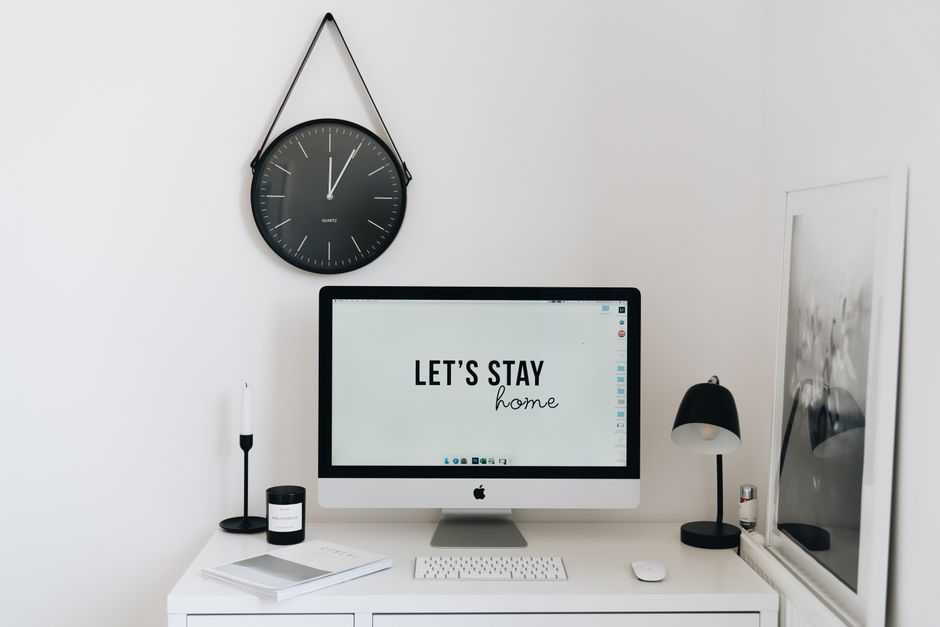
Minimizing distractions is crucial for maintaining focus and productivity in your dedicated workspace. Identify common distractions in your environment, such as noise, notifications, or clutter, and take steps to eliminate or reduce them. Consider using noise-canceling headphones, turning off notifications on your devices, and keeping your workspace organized and free of unnecessary items. By creating a distraction-free environment, you can optimize your concentration and efficiency, allowing you to accomplish more in less time.
Minimize distractions
Minimizing distractions is crucial to maintaining focus and productivity in your dedicated workspace. Start by identifying common distractions in your work environment, such as noisy surroundings or frequent interruptions. Consider using noise-cancelling headphones or setting up physical barriers to create a quiet zone for work. Additionally, turn off notifications on your phone and computer to avoid constant disruptions. Establishing clear boundaries with family members or roommates can also help minimize distractions during work hours. By proactively addressing distractions, you can optimize your work environment for maximum concentration and efficiency.
Take regular breaks
Taking regular breaks throughout the day is essential for maintaining mental clarity and avoiding burnout. Schedule short breaks between work sessions to rest your mind and recharge. Use this time to stretch, walk around, or engage in a quick relaxation exercise. Incorporating longer breaks, such as a lunch break, can also provide a mental reset and boost overall productivity. Remember that breaks are not a sign of laziness but a necessary part of maintaining focus and motivation. By prioritizing regular breaks in your daily schedule, you can sustain your energy levels and work more effectively throughout the day.
Take regular breaks
Regular breaks are essential for maintaining productivity and focus throughout the workday. Research shows that taking short breaks every hour can help prevent burnout and improve overall performance. During these breaks, it’s important to step away from your workspace, stretch, and relax your mind. This can help prevent eye strain, improve circulation, and reduce stress levels. By incorporating regular breaks into your schedule, you can recharge your energy levels and return to work with a fresh perspective.
Stay organized
Staying organized is key to maximizing efficiency and reducing unnecessary stress. Keep your workspace tidy and clutter-free to minimize distractions and improve focus. Utilize tools like calendars, to-do lists, and project management software to prioritize tasks and stay on track. Develop a system for organizing files and documents to easily locate information when needed. By maintaining a structured approach to your work, you can streamline processes, meet deadlines, and achieve optimal results.
Stay organized
Organization is key to productivity and efficiency in any workspace. Make sure to keep your files, documents, and resources neatly organized in folders and subfolders on your computer. Utilize tools like project management software, cloud storage, and digital calendars to keep track of deadlines, tasks, and appointments. A clutter-free workspace can help you focus better and reduce the time spent searching for information or resources. Develop a system for organizing both digital and physical materials to streamline your workflow and improve overall productivity.
Practice self-discipline
Self-discipline is essential for maintaining a productive work routine. Set clear goals and objectives for each day and hold yourself accountable for achieving them. Avoid procrastination by prioritizing tasks and tackling them one at a time. Create a reward system for yourself to stay motivated and on track. Practice mindfulness and self-awareness to identify any habits or behaviors that may be hindering your productivity. By cultivating self-discipline, you can stay focused, meet deadlines, and achieve your professional goals effectively.
Practice self-discipline
Self-discipline is a crucial trait for maintaining productivity in any workspace. It involves setting clear goals, adhering to deadlines, and holding yourself accountable for your work. To practice self-discipline, start by creating a list of tasks to accomplish each day and prioritize them based on importance. Use tools like time tracking apps or productivity techniques like the Pomodoro technique to stay focused and on track. Additionally, establish boundaries for yourself, such as limiting social media use during work hours, to avoid distractions and maintain discipline. Remember, self-discipline is a skill that can be developed over time through consistent practice and dedication.